


Quick Answer
The Ortofon 2M Bronze (~$230) is the press and community consensus pick for best cartridge upgrade under $300, pairing a nude fine-line stylus with a shared body design that lets you step up to the 2M Black later by swapping just the stylus.
Comparison Table
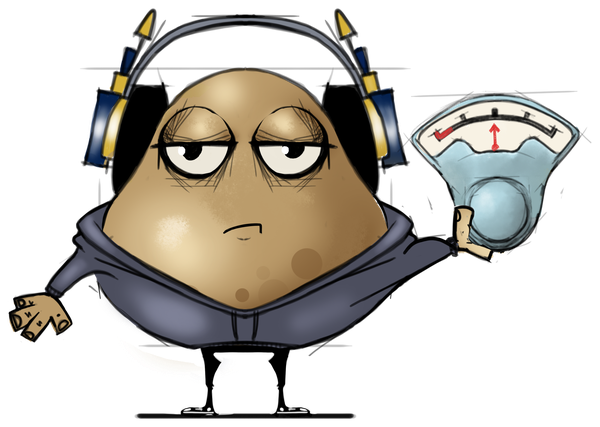
Swapping the cartridge is the biggest sonic upgrade you can make to a turntable for the least money. The stock cartridge on most sub-$500 decks is the weakest link, and $150 to $300 on a better one transforms how records sound — more detail, cleaner highs, tighter bass, less groove noise. Our Watt n' Potatoes (WnP) data across 15,000+ products shows the $100–$300 moving magnet segment is where price-to-performance peaks. Here are the nine we'd spend our own money on.
Why Your Cartridge Matters More Than You Think
The cartridge is the only part of your system that physically touches the record. Everything downstream — phono preamp, amplifier, speakers — is just amplifying what the diamond stylus picks out of the groove. If the stylus misses a detail, nothing downstream can recover it.
A better cartridge does two things. A more refined stylus profile sits deeper in the groove and reads a wider bandwidth, which means more air on top, more vocal texture, cleaner inner-groove tracking. And a better-built generator — magnets, coils, cantilever — converts that motion into a cleaner signal with better channel separation. You'll hear the difference immediately, even on modest systems.
Stylus Profiles Explained
The shape of the diamond tip is the single biggest factor in how a cartridge sounds. In plain English:
- Bonded elliptical: A small diamond chip glued onto a metal shank. The entry point, found on cartridges under about $130.
- Nude elliptical: The whole stylus is one piece of diamond — no glue, no metal shank. Lighter, stiffer, more responsive. The sweet spot under $200.
- Line-contact / Fine-line: A long, narrow profile that makes more contact with the groove wall. Extracts high-frequency detail elliptical styli smear. Typically $180 and up.
- Microline (hyper-elliptical): An even narrower, longer line-contact shape. Approaches the cutting lathe's geometry. Best detail retrieval, longest life (up to 1,000 hours), least record wear. Starts around $200.
- Shibata: A quadraphonic-era line-contact profile with similar performance to Microline.
Above $200, jumping to line-contact or Microline is where the magic happens. Under $200, a nude elliptical beats a fancier body with a bonded stylus every time.
Will It Fit My Turntable?
All nine picks use the industry-standard 1/2-inch (two-screw) mount, which fits virtually every turntable shipped in the last 40 years — AT, Fluance, Pro-Ject, Music Hall, Technics, U-Turn, most vintage Japanese decks. If your turntable has a removable headshell (AT, Technics, Denon), swaps are the easiest thing in audio. If you have a fixed headshell (Rega, most Pro-Ject, Music Hall), you'll need a protractor and 10 patient minutes. Rega decks additionally accept the brand's three-point fixing, which skips alignment if you stay in the Rega family.
Quick Picks — Start Here
- Best OverallOrtofon 2M Bronze
- Best Under $150Nagaoka MP-110
- Best Microline Under $300Audio-Technica VM540ML
- Best for AT/Fluance ownersAudio-Technica VM95ML
- Best Line-ContactAudio-Technica VM95ML
How We Chose
We ranked every cartridge in this segment by its HiFiHub Watt n' Potatoes score, then filtered for what actually matters: stylus profile quality, channel separation, frequency response, trackability, record wear, and tonearm compatibility. Brand representation is capped at two products to keep the shortlist honest.
A note on moving coil: below $300, moving magnet (MM) almost always beats moving coil (MC). Budget MC cartridges skimp on stylus profile and require a specialized phono stage. Every pick here is MM. Revisit MC when you're ready to spend $500+.
1.Ortofon 2M Bronze — Best Overall
Price: ~$230 | Stylus: Nude Fine Line | Output: 5.0mV


WnP Score
Nicely Roasted
Best paired with: Pro-Ject Debut Carbon EVO, Music Hall Classic/MMF-5.3, Technics SL-1500C, Rega Planar 3 (with alignment), Fluance RT85/RT85N
The 2M Bronze is the cartridge we recommend most often, full stop. You get a genuine nude fine-line stylus, silver-plated copper coils, and Ortofon's split pole pin engine — the same body that carries the 2M Black. Fast, articulate, unmistakably detailed, with the top-end air elliptical cartridges can't produce. It leans forward versus the warmer Nagaoka house sound. The fine-line profile is unforgiving of sloppy alignment, so set it up carefully or have a dealer do it.
What We Love
- +Fine-line stylus delivers true high-frequency detail
- +Shares a body with the 2M Black — future upgrade path by stylus swap
- +Strong 5.0mV output works with any MM phono stage
Not So Much
- −Demands precise alignment to sound its best
- −Slightly analytical — not the pick if you want lush and warm
2.Ortofon 2M Blue — Best Mid-Tier Elliptical
Price: ~$235 (street closer to $200) | Stylus: Nude Elliptical | Output: 5.5mV

WnP Score
Nicely Roasted
Best paired with: Pro-Ject Debut Carbon EVO, Rega Planar 1/2, Fluance RT82/RT83, U-Turn Orbit Plus, Music Hall MMF-1.5
The 2M Blue is what you buy when you want most of the Bronze's transparency for less. It swaps the fine-line diamond for a nude elliptical but keeps the rest of the engine. Relative to the 2M Red on many mid-tier decks, the Blue is a meaningful jump — cleaner highs, better separation, tighter imaging. Best part: it fits on a 2M Red body, so if you own a Red you can buy just the Blue stylus and skip re-mounting entirely.
What We Love
- +Drop-in stylus swap for anyone already running a 2M Red
- +Highest output in the group — great for quiet phono stages
- +Clean, clear, slightly bright signature that suits most music
Not So Much
- −Nude elliptical can't match a fine-line for inner-groove detail
- −Stock price crowds the more capable Bronze
3.Audio-Technica VM95ML — Best Line-Contact Under $200

Price: ~$199 | Stylus: Nude Microline | Output: 3.5mV
WnP Score
Nicely Roasted
Best paired with: Audio-Technica AT-LP120X/LP140XP, Fluance RT85/RT85N, Technics SL-1200-series, any deck with a removable headshell
The enthusiast pick. For $199 you get a genuine Microline stylus — the same geometry as cartridges costing three and four times as much. Microline sits deeper in the groove than elliptical, traces modulations elliptical styli glide over, and lasts around 1,000 hours (versus 300–500 for elliptical). You also get the best upgrade ladder in hi-fi on this body: start with a VM95E, drop in an EN stylus, step up to ML, and finish with a Shibata.
What We Love
- +Microline stylus at a price no competitor touches
- +Stylus-only upgrade path within the VM95 range
- +~1,000-hour stylus life — cheaper per hour than elliptical
Not So Much
- −Body is plastic — feels cheap in the hand
- −Lower 3.5mV output may expose noisy phono stages
4.Audio-Technica VM95EN — Best Nude Elliptical

Price: ~$249 | Stylus: Nude Elliptical (0.3 x 0.7 mil) | Output: 3.5mV
WnP Score
Nicely Roasted
Best paired with: Audio-Technica AT-LP120X/LP140XP, Fluance RT82/RT83, U-Turn Orbit, any removable-headshell deck
The VM95EN slots into the VM95 ladder right above the VM95ML and gives you a genuine nude elliptical diamond on Audio-Technica's dual moving magnet body. Because every stylus in the VM95 family is interchangeable, you get all the upgrade optionality of the range with a nude-elliptical tracing profile that pulls real detail out of the groove. Tonality is neutral and honest — slightly leaner than the Nagaoka house sound, but more resolving than any bonded elliptical at the price. In stock at Crutchfield, B&H, and House of Stereo.
What We Love
- +Genuine nude elliptical diamond — not bonded
- +Full VM95 stylus-swap upgrade path (drop in an ML or SH later)
- +Neutral, detail-forward tonality that flatters most music
Not So Much
- −Plastic body, same as the rest of the VM95 line
- −Fine-line and Microline styli still out-resolve it on top-end air
5.Nagaoka MP-110 — Best Under $150

Price: ~$109 | Stylus: Bonded Elliptical | Output: 5.0mV
WnP Score
Just Okay
Best paired with: Rega Planar 1/2, Pro-Ject Debut III/Carbon EVO, Music Hall MMF-1.5, Technics SL-1500C, Fluance RT82/RT83
The MP-110 has been a cult favorite for decades — it sounds more expensive than it is. The bonded elliptical stylus is nothing special on paper, but Nagaoka's Moving Permalloy generator and famously polished diamond deliver a lush, slightly warm presentation that flatters classic rock, jazz, folk, and older pressings. Bass is tight, mids are rich, the top end is smooth rather than etched.
What We Love
- +Warm, musical, forgiving of imperfect recordings
- +Strong 5.0mV output pairs well with built-in phono stages
- +Medium compliance — compatible with nearly any tonearm
Not So Much
- −Bonded elliptical — not the last word in detail
- −Body is light; some tonearms may need a headshell weight
6.Nagaoka MP-150 — The Refined Step Up

Price: ~$199 | Stylus: Superfine Nude Elliptical | Output: 4.5mV
WnP Score
Nicely Roasted
Best paired with: Rega Planar 2/3, Pro-Ject Debut Carbon EVO/X1, Technics SL-1500C, Music Hall Classic
The MP-150 keeps Nagaoka's warm character but adds nude-elliptical detail. Channel separation climbs to 24dB and the top end opens up without turning bright. Where the MP-110 says "relaxed," the MP-150 says "composed." Unlike the AT and Ortofon ladders, you can't just swap the stylus — replacement styli fit but won't make a 150 out of a 110.
What We Love
- +All the Nagaoka musicality plus real nude-elliptical detail
- +Excellent tracker on worn or inner-groove passages
- +Gentler on records than the MP-110
Not So Much
- −No stylus-swap upgrade path across the MP range
- −Requires slightly more careful setup than the MP-110
7.Audio-Technica VM540ML — Best Microline Under $300

Price: ~$279 | Stylus: Nude Microline | Output: 3.5mV
WnP Score
Nicely Roasted
Best paired with: Audio-Technica AT-LP120X/LP140XP, Fluance RT85/RT85N, Technics SL-1200-series, Pro-Ject Debut Carbon EVO, Rega Planar 2/3 (with alignment), any 1/2" standard mount
The VM540ML is the step up from the VM95ML and a genuine end-of-road Microline for anyone who isn't ready to spend Microlinear (line-contact) money. Dual moving magnet generator, nude Microline stylus, 3.5mV output, standard 1/2" headshell fit — it drops straight onto any tonearm that takes a conventional cartridge, which makes it one of the best standalone recommendations for non-AT turntable owners as well as AT users looking to graduate past the VM95 body. Imaging is wider, inner-groove tracking is cleaner, and stylus life stretches to around 1,000 hours. In stock at Turntable Lab.
What We Love
- +True Microline profile in a more refined body than the VM95
- +Excellent standalone pick for Pro-Ject, Rega, Fluance, or Music Hall owners
- +~1,000-hour stylus life — lowest cost-per-hour in the segment
Not So Much
- −Step-up price over the VM95ML without a new body of its own for further swaps
- −3.5mV output — prefer a quiet MM phono stage
8.Sumiko Moonstone — Best Warm-Leaning Elliptical

Price: ~$149 | Stylus: Nude Elliptical | Output: 3.0mV
WnP Score
Just Okay
Best paired with: Pro-Ject Debut Carbon EVO/X1, Music Hall MMF-1.5/Classic, U-Turn Orbit Plus, Fluance RT82/RT83
The top of Sumiko's Oyster series, the Moonstone pairs a nude elliptical diamond with an aluminum cantilever on a lightweight 6.5g body. Where the 2M Blue is forward, the Moonstone is laid-back — weighty, textured, low noise floor, slightly sweetened midrange. Sumiko quotes an absurd 12Hz–33kHz response and 30dB channel separation that's genuinely best-in-class at this price. The 3.0mV output is on the quiet side — you'll want a decent phono stage.
What We Love
- +Class-leading 30dB channel separation for stunning stereo imaging
- +Warm, musical presentation without losing detail
- +Nude elliptical at a price many competitors charge for bonded
Not So Much
- −3.0mV output — needs a quiet phono stage
- −Brand is less ubiquitous for replacement stylus availability
The Upgrade Ladders
The Ortofon 2M Path
The whole 2M line shares one body and engine. Start with the 2M Red (~$100, bonded elliptical), swap in a 2M Blue stylus (~$190, nude elliptical), then a 2M Blue (supported) or a full 2M Bronze cartridge (different engine — body swap required) stylus (~$330, nude fine-line). At the top sits the 2M Black (~$750, Shibata). Each step is a five-minute stylus swap — no re-alignment, no re-mounting. It's the most economical upgrade ladder in hi-fi and why the 2M has owned the category for a decade.
The Audio-Technica VM95 Path
Even better than Ortofon's path, because the body is cheaper and every stylus in the range fits every body. Buy a VM95E (~$69) today, swap in a VM95ML (~$150) Microline next, step up to a VM95EN (~$249) nude elliptical, and finish with a VM95SH (~$240) Microlinear (line-contact). No new body required, ever. For DIY-minded listeners on a budget, it's the smartest starting point in the whole category. When you're ready to leave the VM95 body behind entirely, the VM540ML (~$279) is the next rung up.
The Nagaoka Path
Unlike the first two, Nagaoka's MP line progresses by full cartridge swap: MP-110 (~$109) → MP-150 (~$199) → MP-200 (~$299). Nagaoka's position is that each cartridge is voiced as a complete system — replacement styli are interchangeable but won't actually turn an MP-110 into an MP-200. Less economical than the other two ladders, but the step-up in character at each rung is meaningful enough that most owners don't mind.
How to Install a Cartridge
If your turntable has a removable headshell (most AT, Technics, Fluance), it's a ten-minute job: unscrew the old cartridge, swap in the new one, connect the four color-coded wires (red/green = right, white/blue = left), set tracking force with the counterweight, set anti-skate, and play. Alignment is mostly inherited from the headshell.
If your turntable has a fixed headshell (Rega, most Pro-Ject, Music Hall), you'll need a cartridge alignment protractor (Baerwald or Löfgren). Mount the cartridge loosely, use the protractor to set overhang and offset at two null points, tighten, then set tracking force and anti-skate. Budget 20–30 minutes your first time.
Tools: a small flat-head screwdriver, a digital tracking force gauge ($15–$30), and a protractor if your headshell is fixed. Don't skip the gauge — counterweight markings on budget turntables are often off by 0.3g or more.
Frequently Asked Questions
Q: How do I know when my cartridge needs replacing? Elliptical styli are rated for 300–500 hours; Microline and Shibata go up to 1,000. If records suddenly sound hissy, sibilant, or distorted on inner grooves — and you know they're clean — your stylus is worn. If you've been playing an hour a day for three years, replace.
Q: Can I upgrade just the stylus instead of the whole cartridge? Yes, if you stay within a family that shares a body. The Ortofon 2M Red/Blue/Bronze/Black all share a body, as does the entire AT VM95 range. Nagaoka MP styli fit each other but the cartridge is voiced as a whole unit. Across brands, stylus-only upgrades aren't an option.
Q: Will a better cartridge work with my built-in phono stage? Almost certainly, as long as it's an MM (moving magnet) stage — every pick here is MM. Outputs range from 3.0mV (Moonstone) to 5.5mV (2M Blue); any modern MM stage handles that range. If your stage is line-level only, add an external phono preamp.
Q: How much should I spend on a cartridge upgrade? Match the cartridge to the deck. On a $300–$500 turntable, $100–$150. On a $500–$900 deck, $150–$250. On a $1,000+ deck, $250+. Spending more than about half your turntable's price on a cartridge produces diminishing returns unless you're on a high-end tonearm.
Q: What's the best cartridge upgrade for a Rega Planar 1 or Planar 2? For a Planar 1, the Nagaoka MP-110 preserves the Rega's rhythmic character and adds musicality for ~$109. For a Planar 2, step up to the Ortofon 2M Bronze for maximum detail, or the Audio-Technica VM540ML for a true Microline tracer at a lower price.
Q: What's the best cartridge upgrade for a Pro-Ject Debut Carbon EVO? The EVO's tonearm is more capable than the stock 2M Red suggests. A 2M Blue is the drop-in upgrade; the 2M Blue (supported) or a full 2M Bronze cartridge (different engine — body swap required) or VM95ML extract meaningfully more detail and are worth the extra spend. All three require a protractor since the EVO has a fixed headshell.
Q: Do I need to re-align my tonearm after a cartridge swap? For a stylus-only swap within the same family (2M Red to 2M Blue, or VM95E to VM95ML), no. If you're swapping to a different cartridge model and your headshell is fixed, yes — re-align with a protractor. Rega's three-point fixing is the exception; it self-aligns on Rega tonearms.
Final Thoughts
A cartridge upgrade is the highest-leverage move in vinyl. Pick the one that matches your deck and your taste, install it carefully, and you'll hear the difference on the first record. If you're stuck between two, the Ortofon 2M Bronze is the safe all-rounder; the Audio-Technica VM95ML is the enthusiast's value play; the Nagaoka MP-110 is the one you buy without overthinking.